

Primary myelofibrosis is a myeloproliferative neoplasm in which the bone marrow is replaced with collagenous connective tissue resulting in progressive fibrosis. It is characterized by:
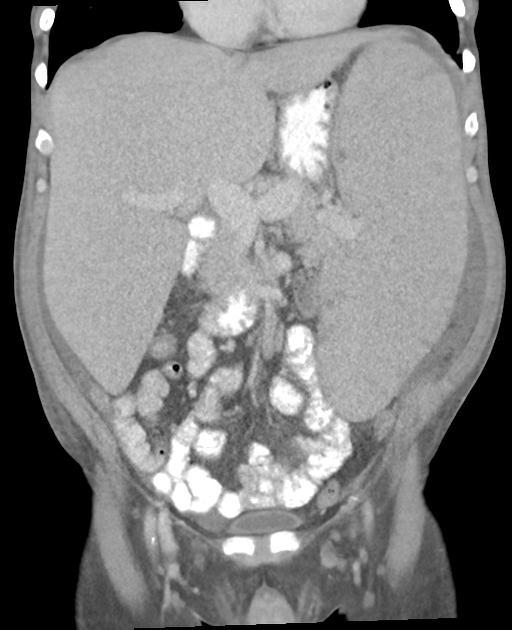
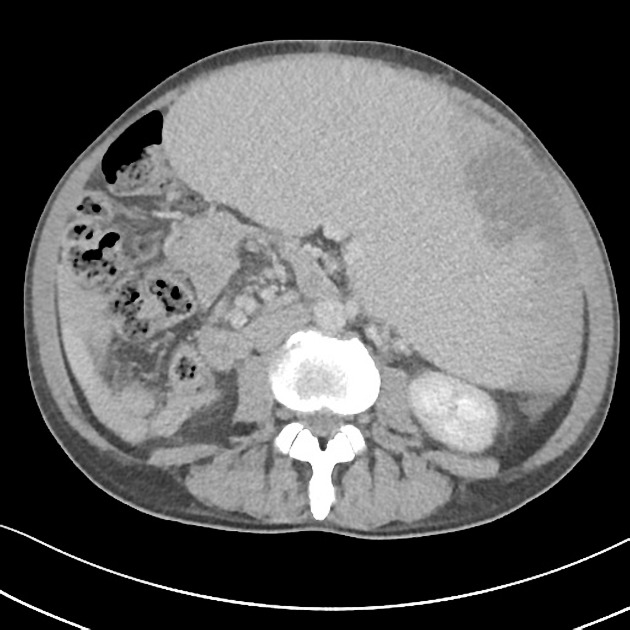
progressive splenomegaly
anemia
variable change in the number of granulocytes and platelets including thrombocytopenia
On this page:
Epidemiology
It usually affects the middle-aged to elderly, with a mean age of 60 years 6. The estimated prevalence is ~1:100,000. There may be a slight male predilection12 .
Pathology
It is a chronic clonal stem cell disorder of neoplastic megakaryocytes and is considered a BCR-ABL1 (breakpoint cluster region-Abelson murine leukemia viral oncogene homologue 1)-negative myeloproliferative disorder 11.
Progressive bone marrow fibrosis is the result of collagen produced by non-neoplastic fibroblasts in response to inappropriate release of PDGF and TGF-ß from the neoplastic megakaryocytes 8.
Radiographic features
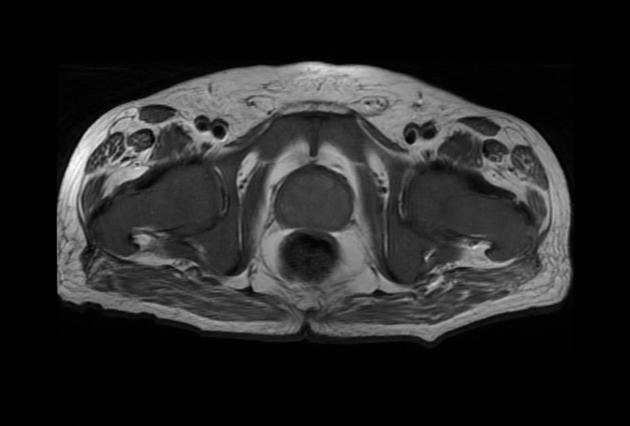
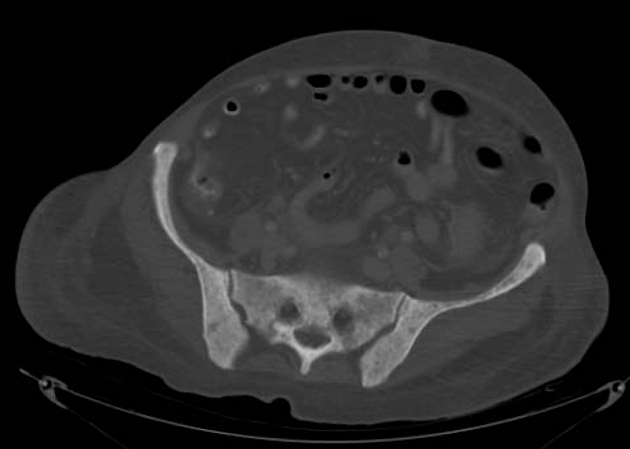
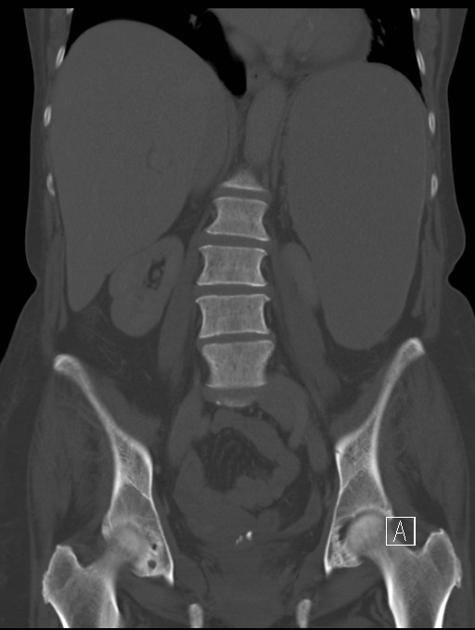
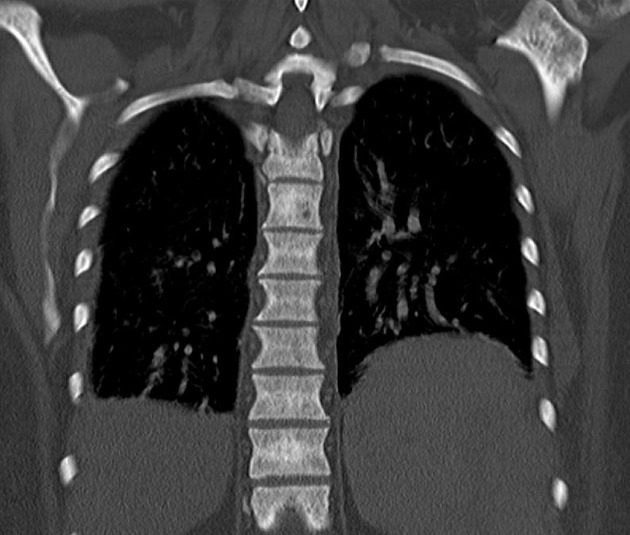
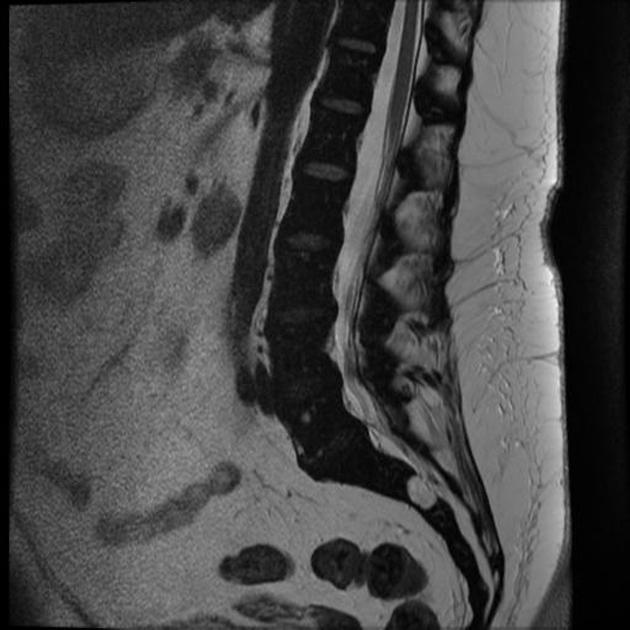
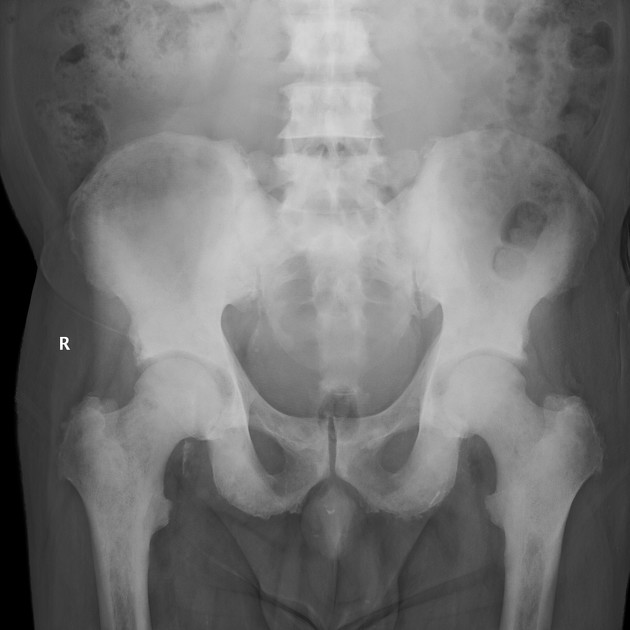
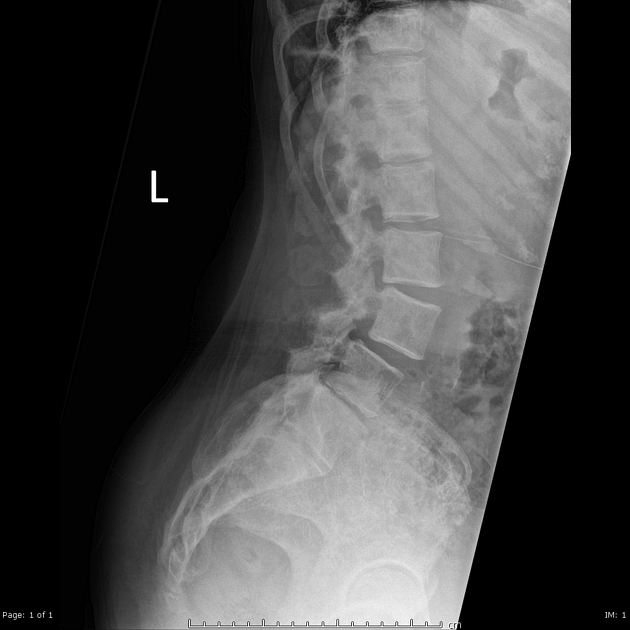
Most radiological features are a result of extramedullary hematopoiesis and seen in many systems.
General
Musculoskeletal
Abdominal
-
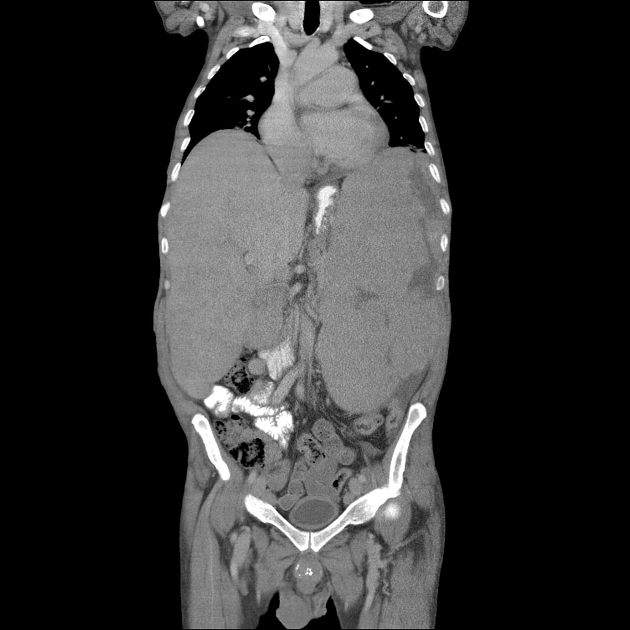
splenomegaly: can be massive
some patients may also experience splenic infarcts 11
-
evidence of portal hypertension 3
from increased splenic blood flow
from portal flow obstruction from the sinusoidal hematopoietic proliferation
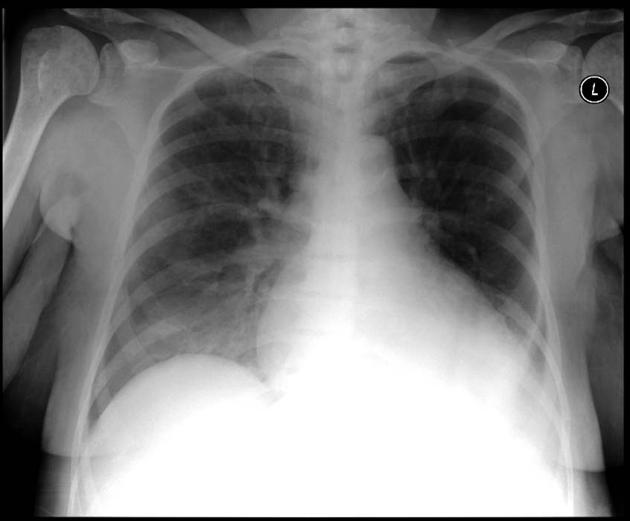
Cardiovascular
may show evidence of congestive cardiac failure due to anemia 3
Treatment and prognosis
Prognosis is poor, with slow progression and death usually within 2-3 years. It can also transform into acute myeloid leukemia in a small number of patients 10.
Complications
gout: from hyperuricemia due to increased hematopoietic turnover
-
complications with splenomegaly 12
mass effect symptoms
splenic rupture (rare) 9
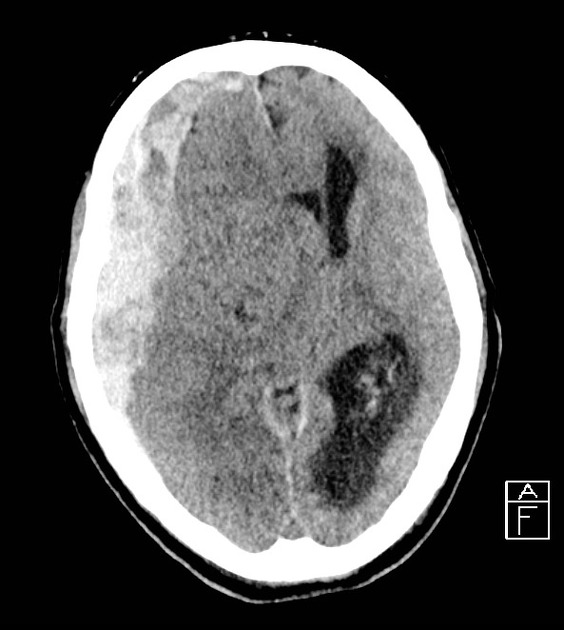
bleeding from thrombocytopenia (see case 8)
-
thromboembolic events
up to 10% of patients experience a thromboembolic event, most commonly venous thromboembolism
Differential diagnosis
General differential considerations include:
for musculoskeletal manifestations: consider the differential diagnosis of diffuse bony sclerosis
for splenic manifestations: consider differential diagnosis for splenomegaly


 Unable to process the form. Check for errors and try again.


